Practical guides for documenting your parenting time
Calm, factual answers to the questions people actually search when they're figuring out how to document for a custody case, no fear-mongering, no legal jargon.
Documenting for a custody case
The practical how-to: what to capture, how to organize it, how often.
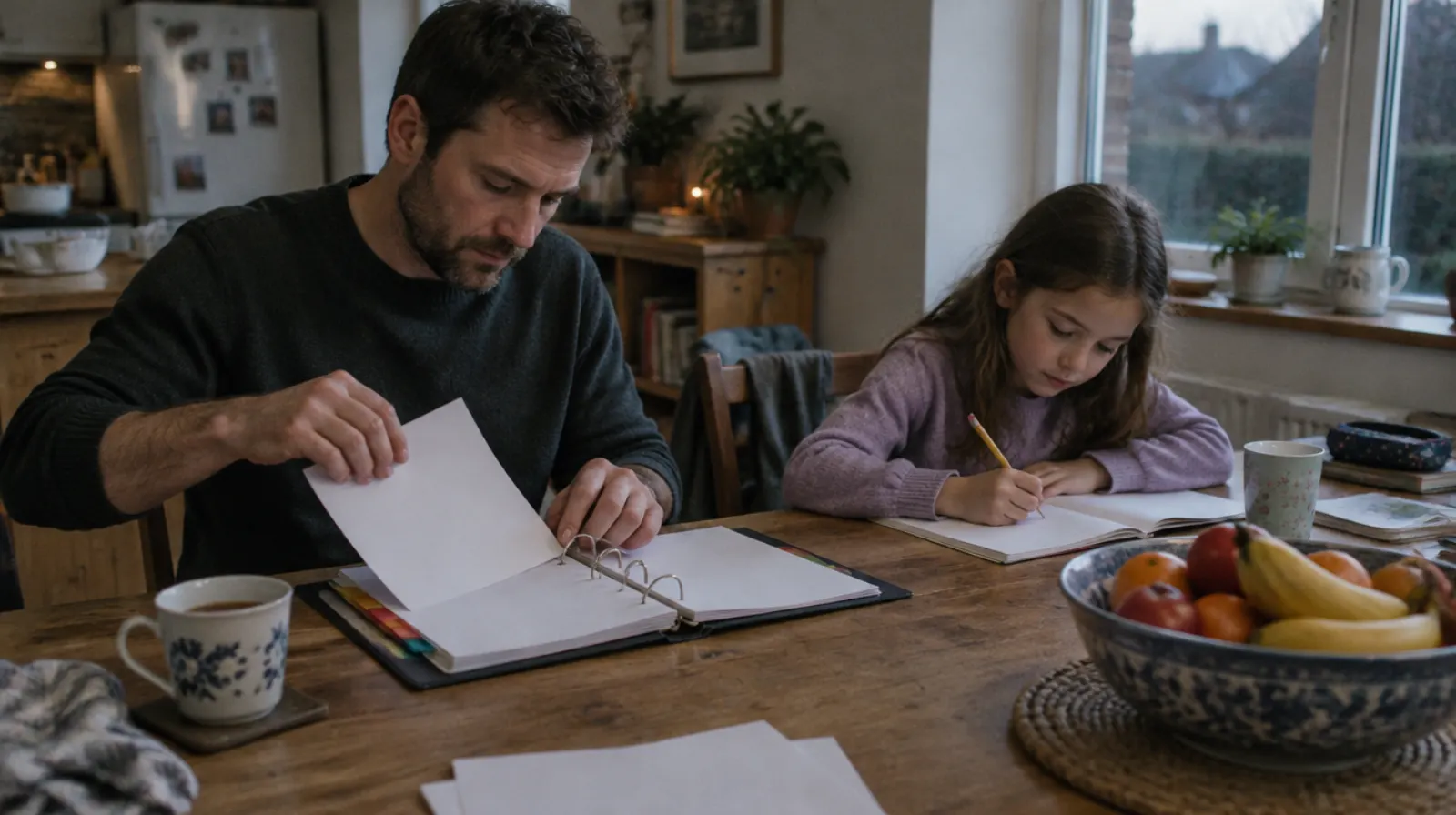 How to document everything for a custody case
A calm, practical guide to what to capture, how to organize it, and the habits that hold up over time.
 Keeping a contemporaneous record of parenting time
What contemporaneous actually means, why timing outweighs detail, and how a record differs from a custody calendar.
 Documenting missed handoffs and late pickups
How to record a missed exchange factually, what parenting time interference means, and how to keep the record without escalating things.
 Keeping records when the other parent won’t cooperate
What a high conflict custody case asks of your records, what to write down when nothing gets agreed on, and why a private log needs no one else’s participation.
 The BIFF method: replies you would not mind a judge reading
What BIFF stands for, how to answer a hostile email without escalating, worked examples, and what your own replies become once they are part of the record.
 Text message and photo evidence: what to save
Whether text messages count as evidence, when they’re hearsay, how to save screenshots and photos clean, and what to know before recording audio or video.
 For dads: showing the court you were there
Whether a father can get full custody, what a court actually weighs, and how a record of your everyday parenting time shows you were present.
 Custody documentation starter checklist
Ten things to set up in your first week: where the record lives, what goes in an entry, what to gather from the past, and what to leave out.
 Documenting your case if you’re representing yourself
What changes about your records with no attorney, what courts expect from a self-represented parent, and how to organize a record you have to present yourself.
 Documenting a right of first refusal violation
What the right of first refusal means in custody, what actually counts as a violation, and how to record one without investigating the other household.
 How to document contempt of a custody order
What counts as a violation of a custody order, how civil and criminal contempt differ, and how to keep a dated record of your own side of it.
 How to prove parental alienation: what your record can and cannot show
Why parental alienation is so hard to prove, what family court actually looks at, what a dated record of your own parenting time can show and cannot show, and the step-by-step path most attorneys describe.
 Parallel parenting: what it means, and how to keep your own record
What parallel parenting is, how it differs from cooperative parenting, what goes into a parallel parenting plan, and why your own record matters more when two households run separately.
 What child support covers, and how to record the expenses it doesn’t
What basic child support is meant to cover, who pays for medical bills, child care and activities, and how to keep a dated record of every payment and shared expense.
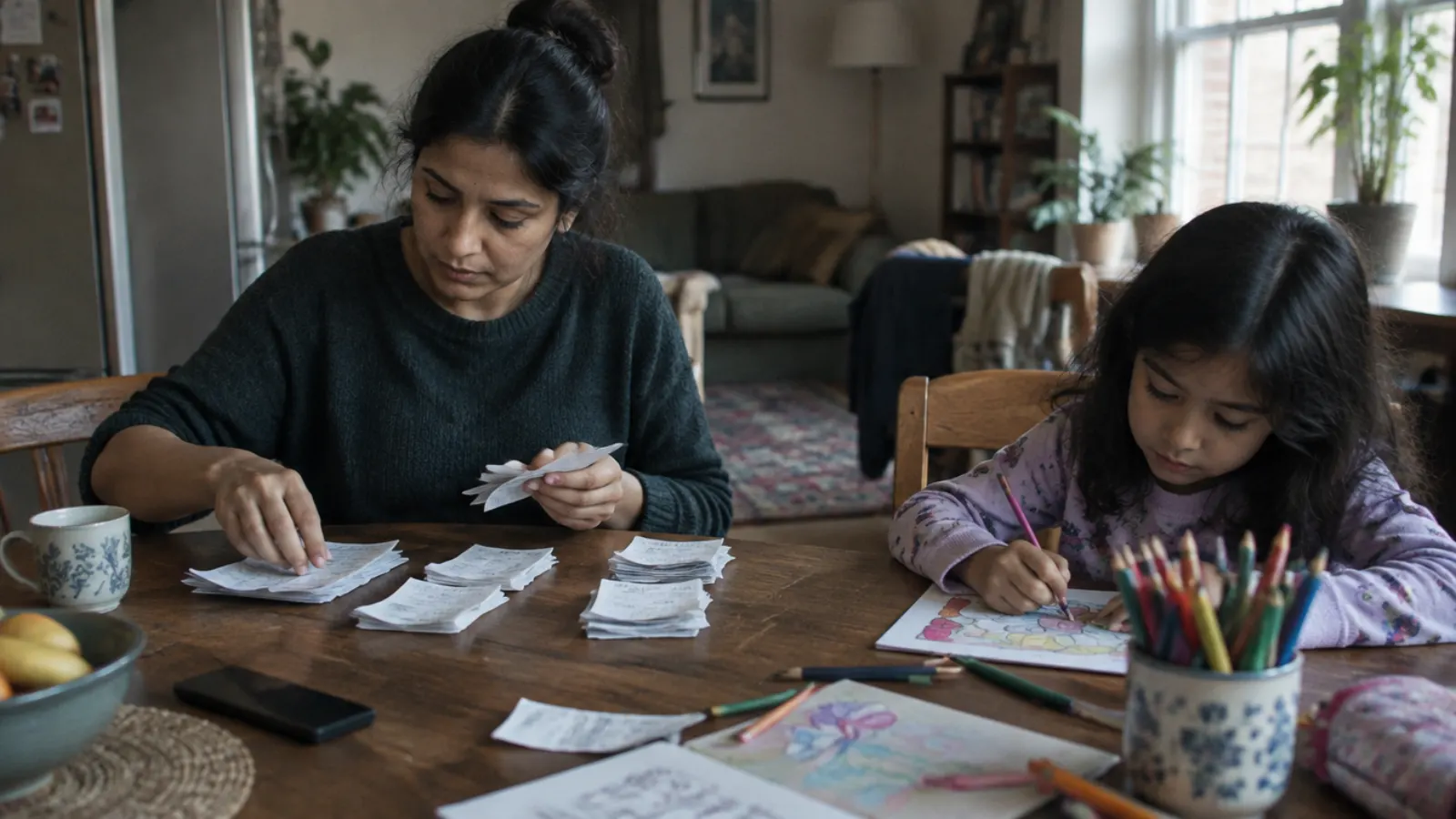 Shared child expenses after divorce: splitting them, asking for reimbursement, and keeping the record
How extra child costs are usually split, how to ask the other parent for reimbursement, what proof to keep, and how a plain running record helps.
 Uninsured medical expenses for your child: who pays, what proof to keep, and how to ask for reimbursement
How a child’s uncovered medical costs are usually split, why an explanation of benefits is not proof of payment, and how to keep each bill with its receipt.
 Who pays for extracurricular activities after divorce, and what to keep in writing
How sports, lessons and camps are usually split, what a mutually agreed clause means, and the agreement and receipts to keep for each activity.
 Does child support cover daycare? Who pays for childcare, and what to keep
How work-related childcare is usually added to support and split, what happens when the cost changes, and the invoices, receipts and provider details to keep.
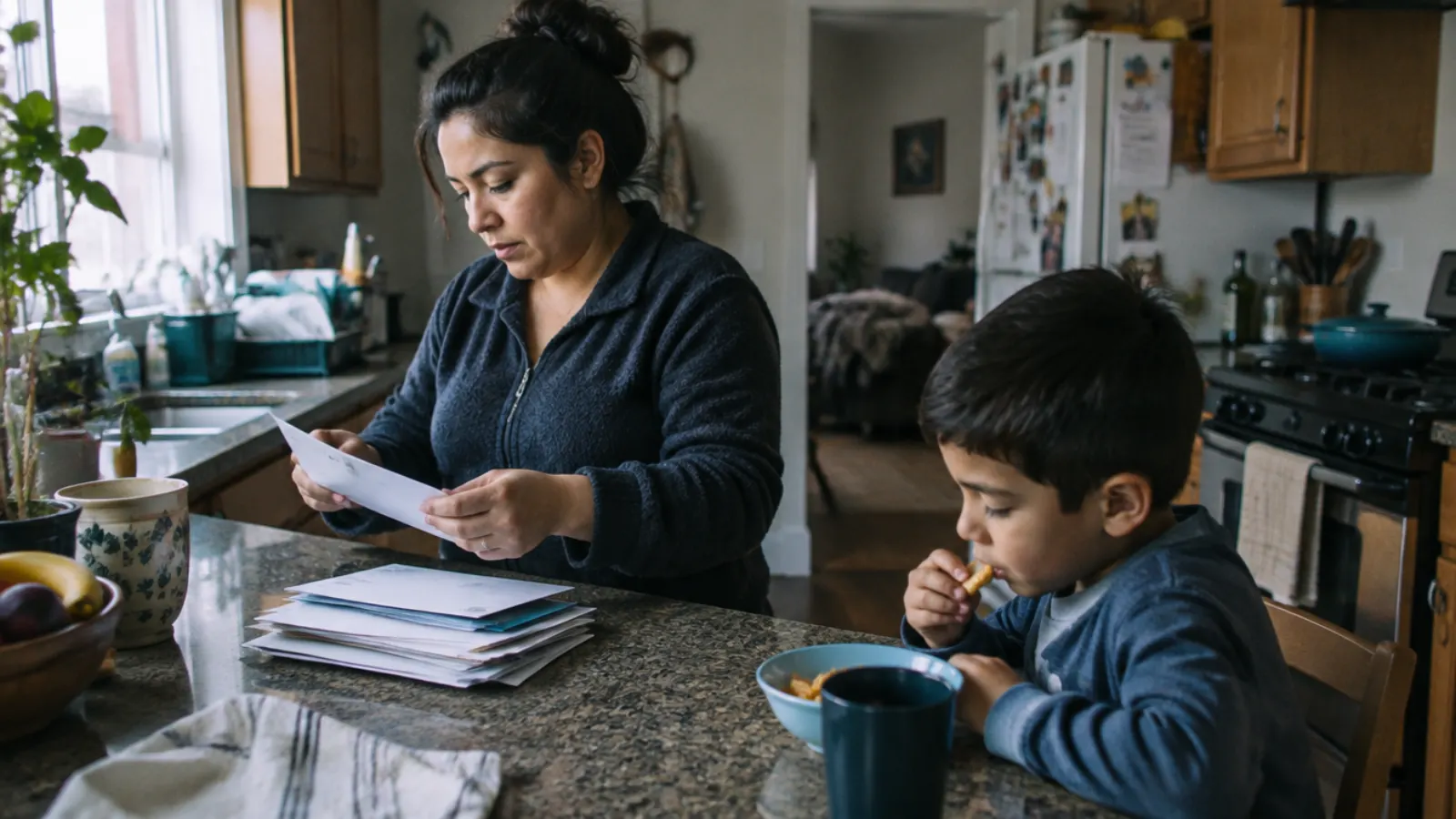 How to keep track of child support payments, and what to record when they stop arriving
Where the official payment history is, how to build a ledger from your order, the proof to keep for direct payments, and what to note when a payment is late or missing.
 How long to keep child support records and receipts: a checklist
Which records and receipts to keep, how long to keep them, why paper receipts fade, and a printable checklist for keeping them organized.
 Can you withhold visitation for not paying child support?
Why child support and parenting time are separate, what the law says, what can happen if one is held back over the other, and how to keep two records.
 Custody schedule examples: every common rotation, side by side
Worked examples of the eight schedules most orders use, from 2-2-3 to alternating weekends, with nights per year, exchange counts, a grid you can copy, and what each one asks you to record.
 50/50 custody schedules, and what each one asks you to document
What 2-2-3, 2-2-5-5, 3-4-4-3 and week-on-week-off actually look like, how unequal schedules differ, and why the schedule in your order is a plan rather than a record.
 60/40 custody schedules, and what each one asks you to document
What the 4-3 schedule and an extended alternating weekend actually look like, why the 146 overnight mark can carry financial weight, and what to record when the week diverges.
 The 2-2-3 custody schedule, and what the rotation asks you to document
How the two week rotation flips, how it compares with 2-2-5-5 and alternating weeks, why it produces about 156 exchanges a year, and what to record at every handover.
 The 2-2-5-5 custody schedule, and what the rotation asks you to document
Why the same schedule is written 2-2-5, 5-2-2-5 and 2-2-5-5, how the fixed weekdays and alternating weekend divide the fortnight, and what a five night block asks you to record.
 The 3-4-4-3 custody schedule, and how it differs from a 4-3 rotation
How the two-week cycle splits seven nights each, a template you can copy, why a weekly 4-3 is nearer 60/40 than an even split, and what four handovers a fortnight ask you to record.
 The 80/20 custody schedule, and what the parent with 20 percent should document
Why most 80/20 orders are alternating weekends, how the same label covers 52 nights and 78, how holiday blocks carry the count, and what a weekend-shaped year asks you to record.
 The 70/30 custody schedule, and what an unequal split asks you to document
The four shapes a 70/30 order usually takes, how many overnights each parent actually gets, why the count can carry financial weight, and what the parent with 30 percent should record.
 Birdnesting: what it is, and how to keep your own record
How a nesting rotation works, what a parenting plan has to spell out for it, and why a child who never changes homes makes your own record the only proof of whose nights were whose.
 What actually strengthens a custody modification case
What you have to prove to change an existing order, why a substantial change in circumstances is really a question about a dated record, and what carries weight compared with what does not.
 After the case ends
A custody order ends the proceeding, not the arrangement. What can reopen an order once it is final, how long to keep the records from your case, what is still worth writing down, and why a record that stops and restarts reads differently from one that never stopped.
 Holiday parenting time schedules
How holiday custody is divided, the four common patterns, what to include in your schedule, and what to document when a holiday or summer arrangement changes.
 Summer custody schedules
How a summer schedule works once school is out, the common shapes, the spring notice deadlines that decide the summer, and what to record across ten weeks that rarely go to plan.
 Parenting time calculator: counting overnights and your custody percentage
A calculator that turns any repeating schedule into overnights per year and a percentage, why courts count overnights rather than hours, how the number feeds a child support guideline, and why the schedule and the year are two different figures.
 How to change a parenting plan
When two parents can agree a change between themselves, when it has to go through the court, what a substantial change in circumstances means, what a modification costs, and what to document before you ask.
 Grandparent visitation rights
Whether grandparents have visitation rights, what the law starts from after Troxel v. Granville, when a grandparent can petition and what they have to prove, a table of state examples, and what a dated record of your own contact or decisions shows.
 How to get custody of a grandchild
Who can ask, what the parental presumption means after Troxel v. Granville, what a grandparent has to prove in Texas, California and Florida, the short-form alternatives to a custody case, and what a dated record of your own caregiving shows.
 Stepparent guardianship: can you become your stepchild’s guardian?
Not automatically. What a stepparent can do without guardianship, how to petition for it, and when a power of attorney or stepparent adoption fits better.
 Military custody: does deployment cost a parent custody?
No, not by itself. What the Servicemembers Civil Relief Act does in a custody case, how California and Texas handle a custody order during a deployment, why a family care plan is not a custody order, and what each parent should write down before, during and after.
 Custody for unmarried parents: who has it at birth?
In several states the mother, by statute, until paternity is established. What an acknowledgment of paternity does, why a name on the birth certificate is not a custody order, the 60-day rescission window, and what each parent should write down from the start.
 Moving out of state with joint custody
Only with the other parent's written consent or a court order. What counts as a relocation, what a written agreement contains, what goes in a petition to relocate, what the moving parent has to show, and what each parent's own record of ordinary days proves.
 Long-distance parenting plan
What goes in it when parents live in different states: which court decides, the school-break schedule by age from the Oregon and Florida court forms, who travels and who pays, the calls between visits, and what your own record of the dates shows.
 Reasons a judge will deny relocation
The reasons relocation cases fail, what the notice and objection process looks like, what evidence strengthens the case for either parent, and what a dated record of your own parenting time shows against each factor.
 Parenting plan template
A free printable parenting plan in 12 sections, from the weekly schedule to holidays, exchanges, decisions and disputes, with what state law asks for in each and when to use your court's own form instead.
 Custody exchange rules
What the handoff terms in a custody order actually cover, where a child custody exchange should happen, how long to wait when the other parent is late, and what to write down each time.
 Virtual visitation and long-distance parenting time
A video call is the one form of parenting time nobody witnesses but you. What to record about a virtual visit, what to document about travel and relocation, and the line to keep the record on the right side of.
What holds up in court
Credibility, admissibility, and the honest answer to "would a judge believe this?"
 Is my custody journal discoverable?
Whether the other side can get your notes, why the request goes to you rather than to the app company, when attorney-client privilege and work product apply, and why deleting entries is the bigger risk.
 How to write a declaration for family court
What a declaration is, how it differs from an affidavit and from a letter to the judge, what goes in it section by section, page limits, exhibits, and what to leave out.
 How to authenticate text messages for court
What Rule 901 actually requires, whether screenshots are admissible, the three objections that come up most, how to capture and export a thread, and how to present it.
 How to organize evidence for a child custody case
Whether to order it chronologically or by issue, how the best interest factors shape your categories, building an evidence binder, and how to present it in family court.
 How to prepare for custody mediation
What to bring to child custody mediation and what to leave out, what the mediator can and cannot decide, how to write a proposed parenting plan, and what to say instead of what most parents say.
 Custody evaluation: how to prepare without performing
What a child custody evaluation is, how the process runs step by step, what the evaluator looks for, what records to bring, and why staging the home visit is the one mistake that costs the most.
 What a guardian ad litem does, and what to have ready
What a GAL does in a custody case, when the family court appoints one, what the GAL looks for, what to expect from the home visit, which documents to have ready, and how much weight the judge gives the report.
 How to prepare for a child custody hearing
What the court is deciding, what to expect on the day, a week-by-week preparation timeline, what evidence to gather, how to organise it, and how to prepare your testimony.
 Questions to ask a child custody lawyer
What to bring to a first meeting with a family law attorney, the questions worth asking about fees, experience and your own case, and what nobody can tell you on day one.
 What an evidentiary hearing in family court actually is
How it differs from an ordinary motion hearing, when a judge holds one in a custody case, what happens step by step, the standard of proof, and what to bring.
 What happens at a child custody trial
How a trial differs from a hearing, why a case gets there, the pre-trial conference and exhibit list, how long custody trials take, and how the judge reaches a decision.
 What kind of documentation actually holds up in family court
What judges actually weigh, why timing and consistency matter more than who made a record, and what "tamper-evident" really means.
 Tamper-evident, not tamper-proof: what that actually means
Why no app can honestly call a record tamper-proof, how a record becomes tamper-evident, and what that does and doesn't prove.
 How often should you actually document?
Why a steady custody log carries more weight than a burst of entries before a hearing, what a realistic rhythm looks like, and what to do if you’re starting late.
 What do judges look for in child custody cases?
The best interest of the child standard, the factors judges consider across states, what evidence actually shows them, and what a day-by-day record can and cannot prove.
 When a record helps, and when it will not
Hearsay in family court, in plain terms: what your own record can prove, which parts of a journal the rule keeps out, which exceptions apply, and what a record cannot do.
 Best interest of the child checklist
The factors a judge weighs when deciding custody, an interactive checklist of what you can document for each, and the ones a record cannot speak to at all.
Showing up
Reasons to keep a record on the ordinary weeks, when nothing is going wrong.
 Missing your kids after divorce, and what keeping a record gives back
Why the days without your kids are the hard part, what a short dated record does on the evenings they’re away, what to leave out, and when a record isn’t the right tool.
 A record your child could read one day
Most parents write for an attorney or a judge. The person the record is about may read it eventually. What changes when you write with your child as the reader, what to leave out, and why it does not weaken the record.
 Photos of your kids that are not evidence
During a case, a camera roll can turn into an evidence folder. Which photos support a written record, which are better not taken, why posting is a separate decision, and which ones your child will want later.
 Paramour clauses, and introducing a new partner
What a paramour or morality clause usually restricts, how long it lasts, what it often leaves out, and what to note about your own household when a new partner meets the kids.
 The noncustodial parent: your rights, your time, and why it counts
What being the noncustodial parent means, the rights that usually come with it, how child support and parenting time relate, and what to keep a record of.
 The primary caretaker: what it means in custody, and what a year of care looks like
What counts as caretaking, whether courts still favor the primary caretaker, what to do if you were not the primary caretaker before, and how a year of care is shown.
 Sole custody: what it means, when courts order it, and what the other parent keeps
Sole legal vs sole physical custody, how it differs from joint and “full” custody, when courts order it, and the evidence that matters.
 Types of custody: legal, physical, joint, sole and split, explained
The four basic types of custody, what full, primary and split custody mean, and the statutes behind each term in four states.
Comparisons
How Documented differs from the shared platforms separated parents are often ordered onto.
 OurFamilyWizard vs. TalkingParents
What the two platforms cost, where they actually differ, what both do well, and the one thing neither records, your own everyday parenting time.
 All comparisons
Fair, factual write-ups of the tools separated parents use to keep records, and where a private record fits alongside them.